Cultural memory
An era that cannot be duplicated.
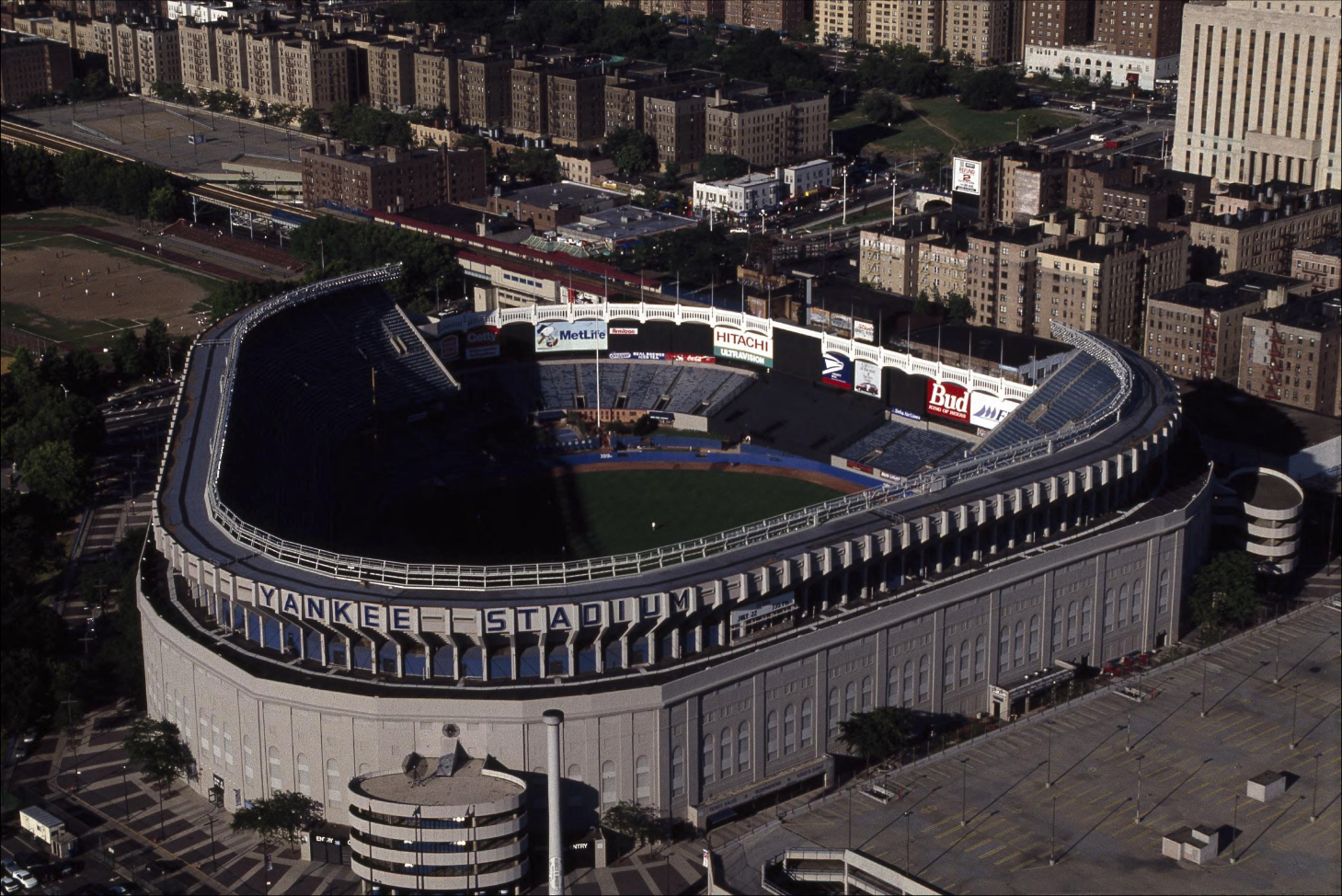
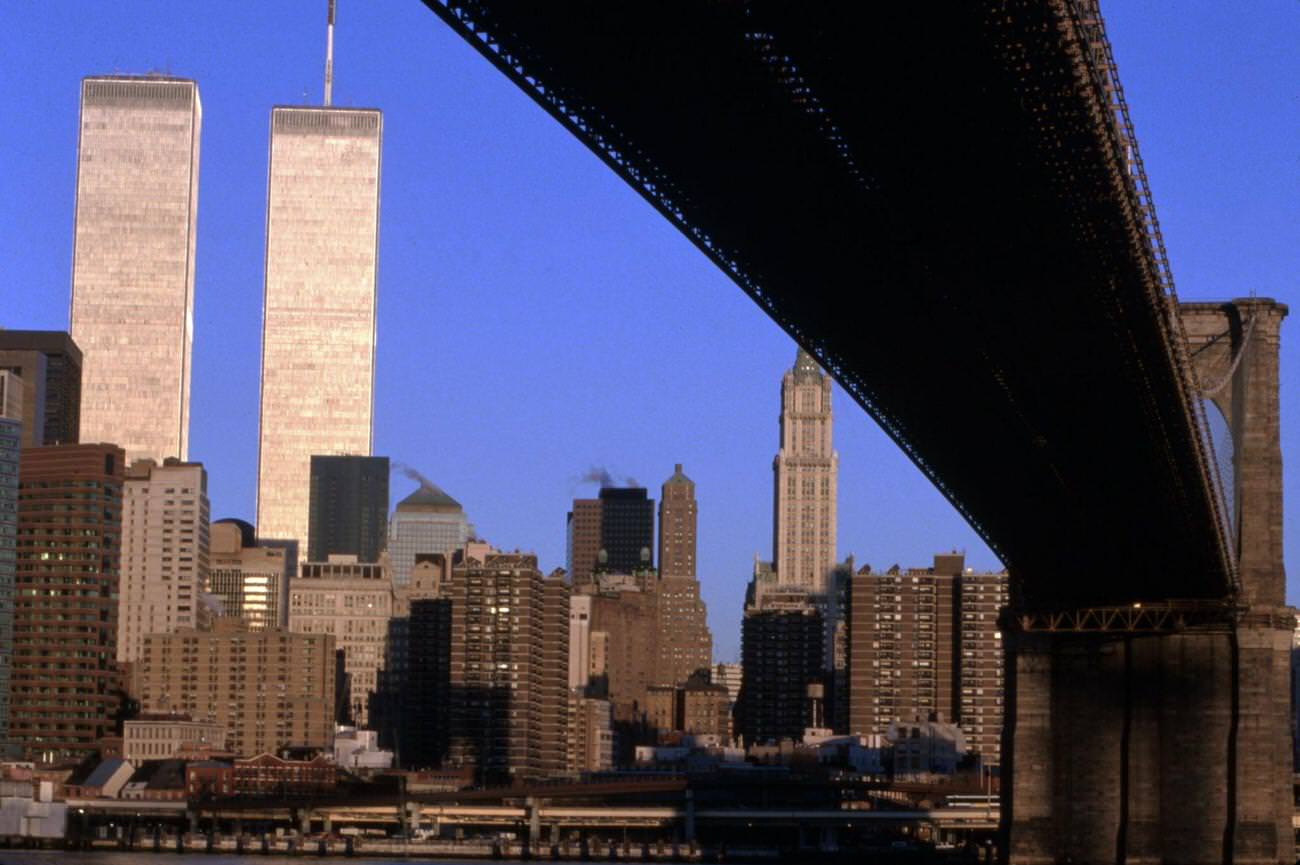
These places are not presented as landmarks to revisit or compare with what exists today. They represent a particular cultural moment — when neighborhood businesses, record stores, fashion corridors, nightlife, automobiles, music, and face-to-face relationships shaped how ideas moved through New York City.
The storefronts may remain, but the cultural context has changed. What matters here is not how these places look today. It is what happened inside and around them — and what Vern learned by being present.
Chapter 01
Origin
I grew up between East Harlem and the Northeast Bronx, but Manhattan became the creative center I wanted to experience as often as possible.
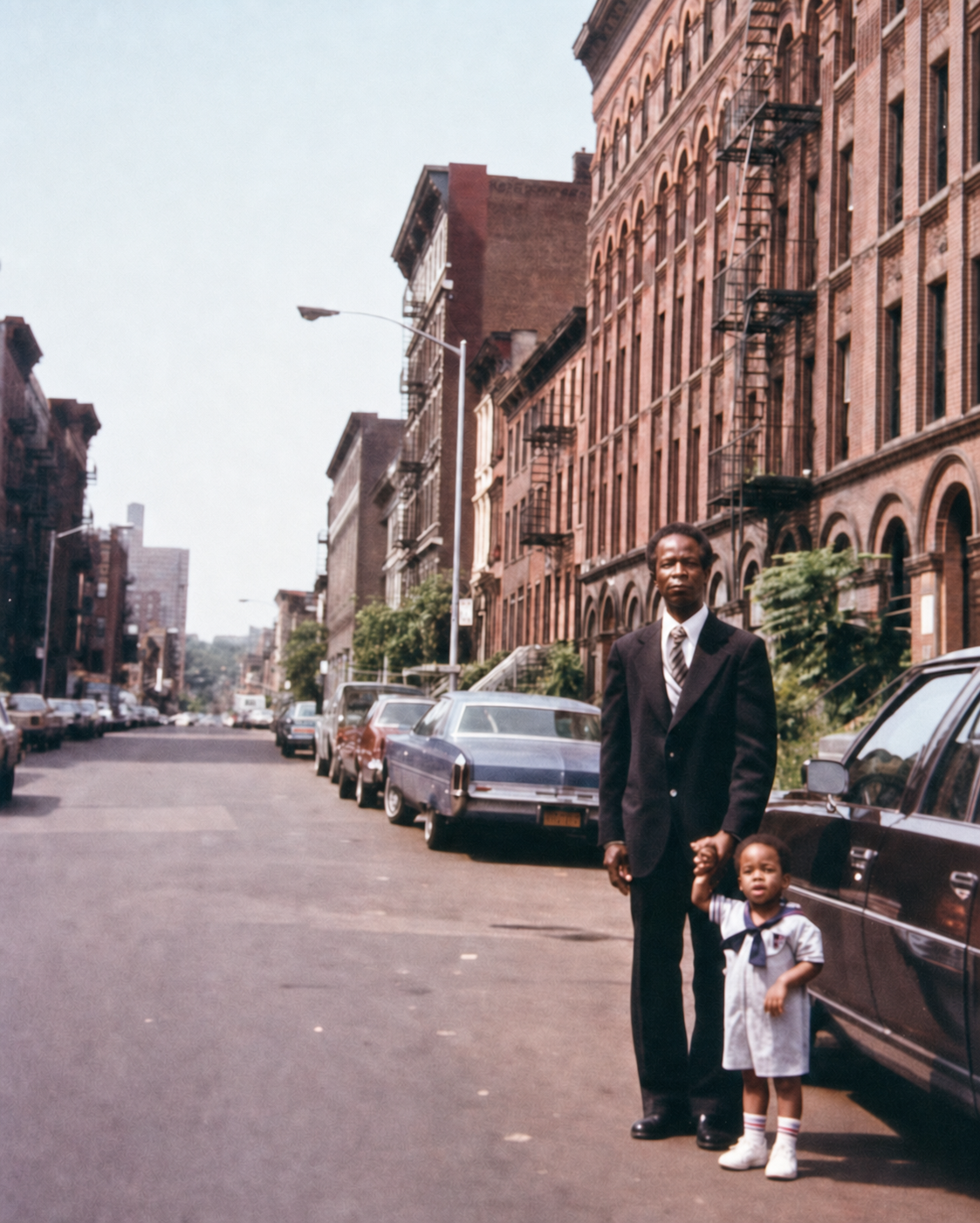
My parents introduced me to fashion and presentation at an early age. The city expanded that education.
I learned from neighborhood storefronts, bodegas, Fordham Road, record shops, custom cars, downtown fashion, and the way people transformed themselves after dark.
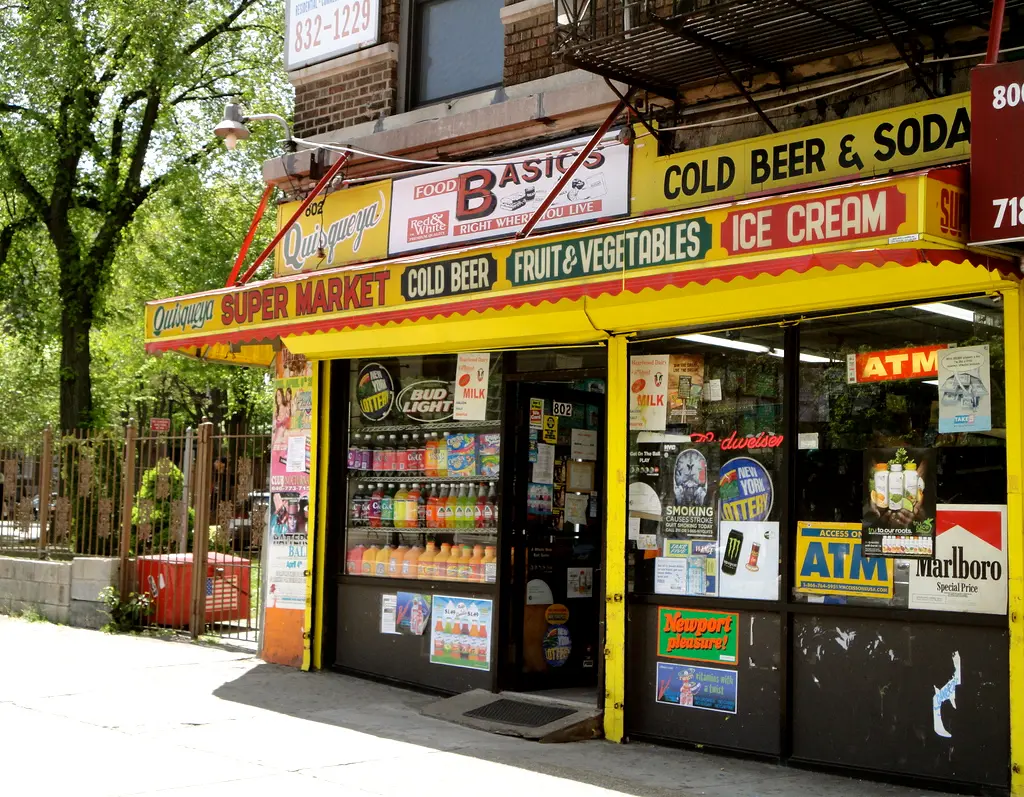
The bodega was the first place I understood community as a business. You were known there.
News travelled across the counter, credit was extended on trust, and the person behind the register kept the block's memory.
“Nothing about it was designed, and everything about it worked.”
Chapter 02
Transformation
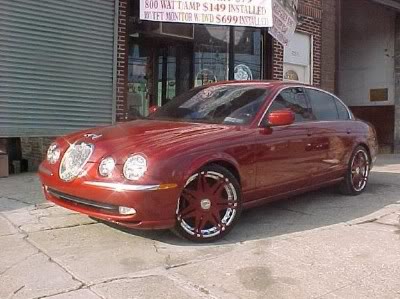
During the custom-car era, I learned to work with transformation in a physical way. At my Bronx shop we sold rims, tires, and accessories, fitted SUV packages and electronics.
We installed body-modification kits and developed custom interiors using velvet, leather, suede, and microfiber. That experience taught me about materials, proportion, finish, fabrication, and the power of giving something familiar an entirely new identity.
Chapter 03
Style
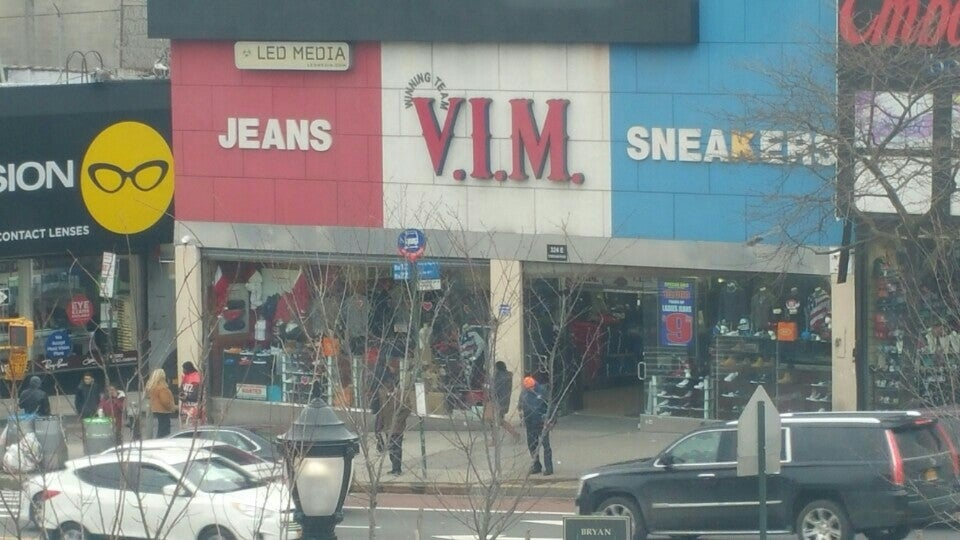
Fordham Road showed me another side of fashion. Stores such as V.I.M. made denim, sneakers, and streetwear accessible to the communities shaping how New York dressed.
Style did not only come from luxury stores or runways. It lived on the avenue.
Movement / Downtown
The train made the city feel connected.
Before I could drive, the subway was how my friends and I moved through New York on our own.
It connected the Northeast Bronx to downtown Manhattan and turned the city into an informal education in fashion, music, retail, nightlife, and human behavior.
From 34th Street to the East Village, NoHo, and SoHo, each neighborhood expanded my creative vocabulary — revealing how fashion, retail, music, architecture, nightlife, and street culture could shape identity in distinct ways.
By the late 1990s and early 2000s, the East Village, West 4th Street, and SoHo became places to study style in motion — independent shops, streetwear, record stores, and people assembling identity in public.
The Village encouraged individuality. SoHo connected fashion with art, architecture, retail, and design.
The lesson was never only what people bought. It was how neighborhoods created belonging, how storefronts became cultural signals, and how ideas traveled from one borough to another.
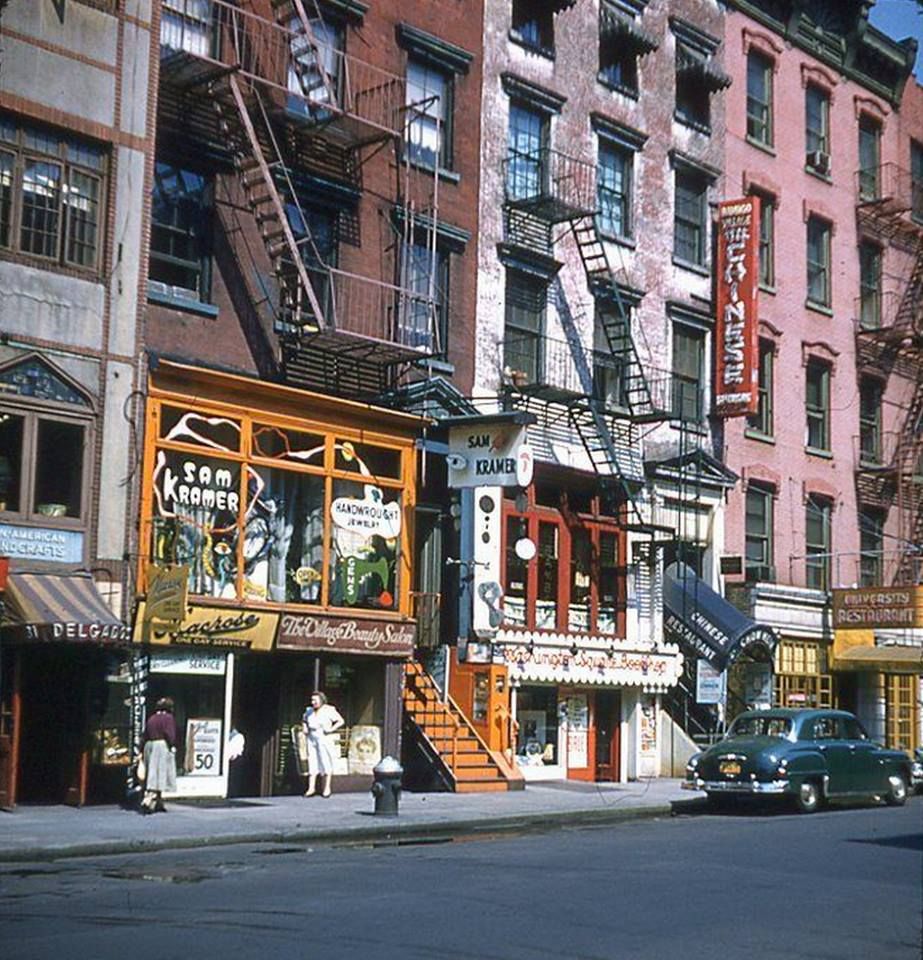
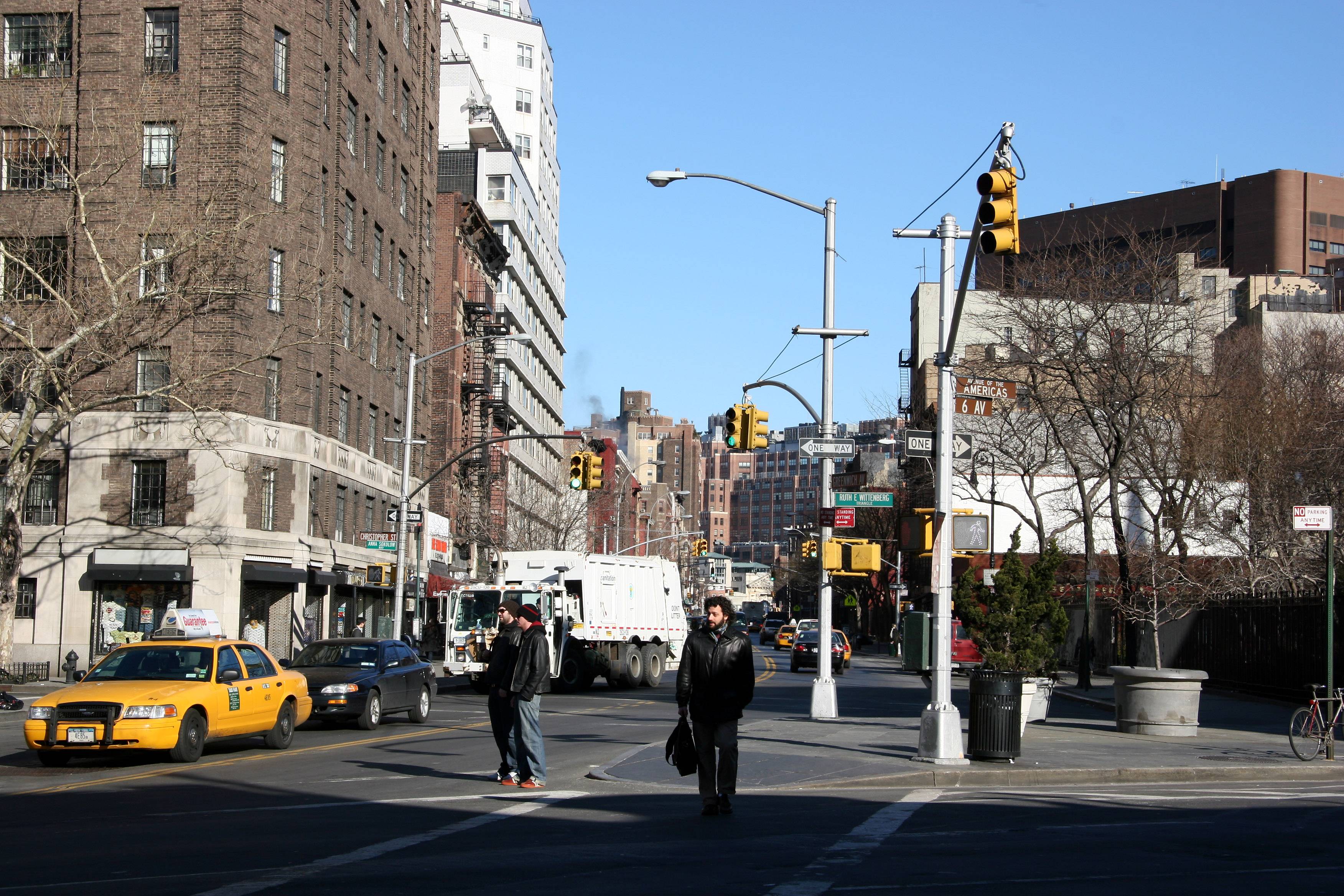
Photographs of the Village used as visual context, not documentation of a specific year.
“Before I understood creative direction, I was learning to read the city.”
Much of my creative education also happened through Manhattan nightlife. Every room had its own language.
The entrance created anticipation. Fashion communicated identity. Music and lighting controlled emotion. Hospitality determined how people felt.
Those nights brought entertainers, athletes, designers, promoters, entrepreneurs, artists, and emerging creatives together. Introductions became relationships. Relationships became collaborations.
Chapter 04
Enterprise
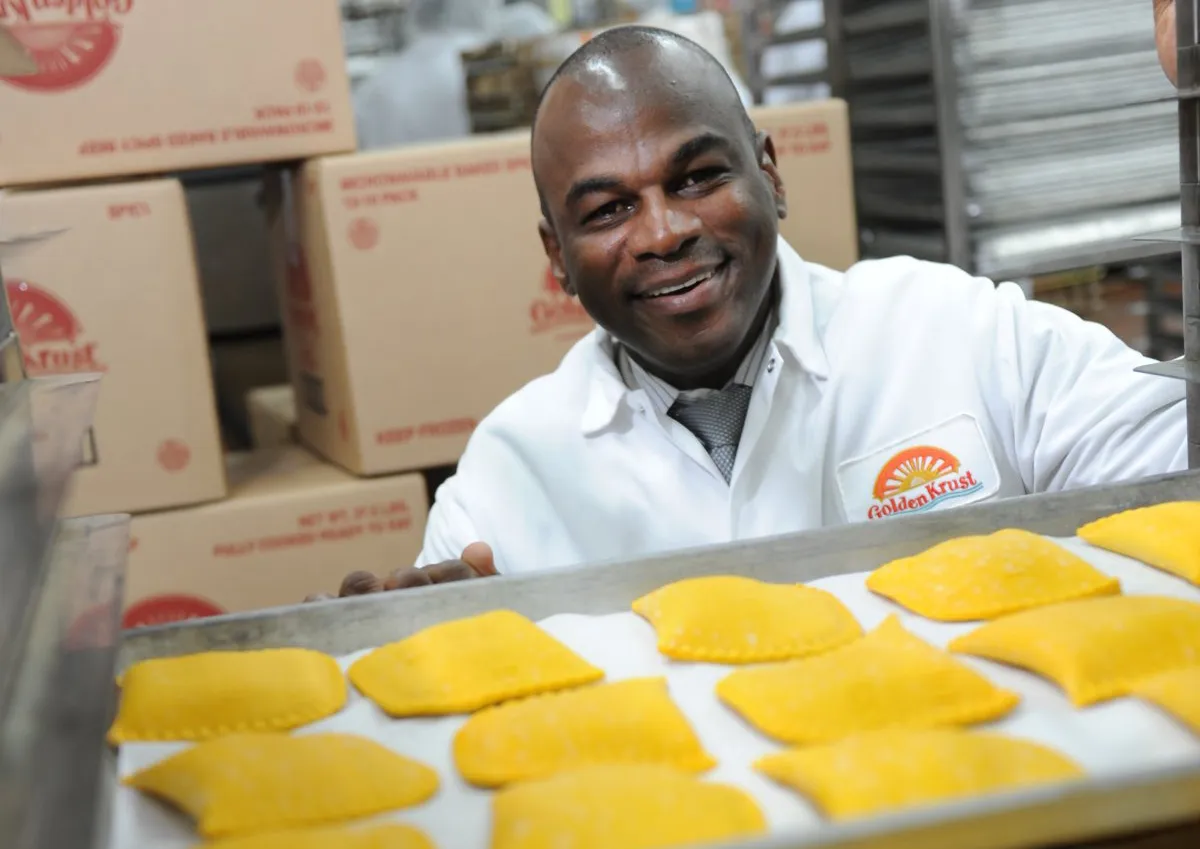
Growing up in the Northeast Bronx, Golden Krust was more than a business I watched from a distance.
I was close to Lowell Hawthorne and his family during important years of my adolescence, and I witnessed an idea rooted in family, culture, and community begin to expand.
The Hawthorne family opened the first Golden Krust Caribbean Bakery on East Gun Hill Road in 1989. By 1993, the company had established manufacturing in the South Bronx; by 2005, it had opened its 100th restaurant.
I saw part of that journey from close range — not as a case study, but as a young person learning what vision, discipline, consistency, and belief could build.
Watching a neighborhood business grow without abandoning its cultural identity helped shape how I understand brands today. Scale becomes meaningful when the original story remains visible.
Chapter 05
Music
Growing up in the Bronx, I was graced to spend time around two men whose influence reached far beyond music: Earl Moodie and DJ Kool Herc.
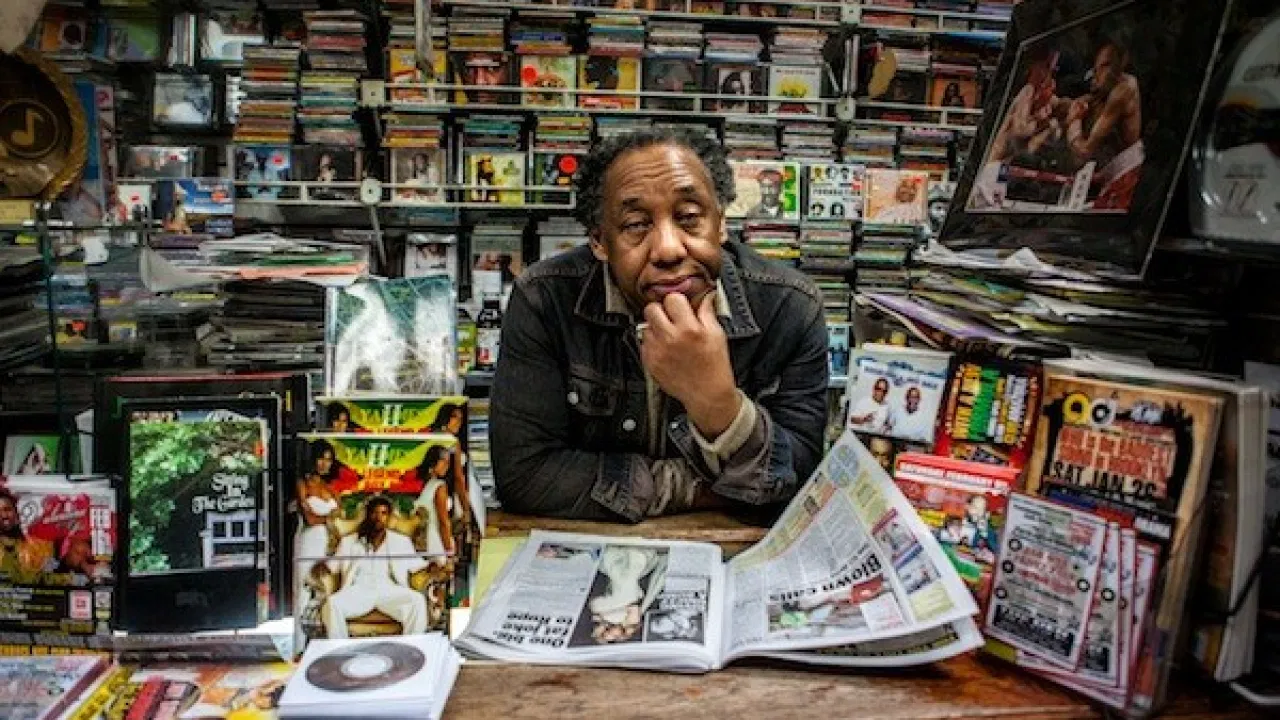
Earl Moodie built a different kind of institution. Moodie's Records on White Plains Road was more than a record shop.
It became a trusted gathering place where music, artists, audiences, information, tickets, and opportunity moved through the neighborhood. Recording artists could introduce new projects or make in-store appearances, while local customers came for records, conversation, and connection.
Before digital platforms made access immediate, Mr. Moodie had already created a physical platform for culture.
I was close to Earl and his family, and his children remain my friends. I was fortunate to observe his example and, later, to share strategic thinking around the business.
I do not present Moodie's Records as an ILMG case study. It is part of my education — an example of how trust, consistency, relationships, and cultural understanding can turn one location into a lasting institution.
Chapter 06
Cultural foundation
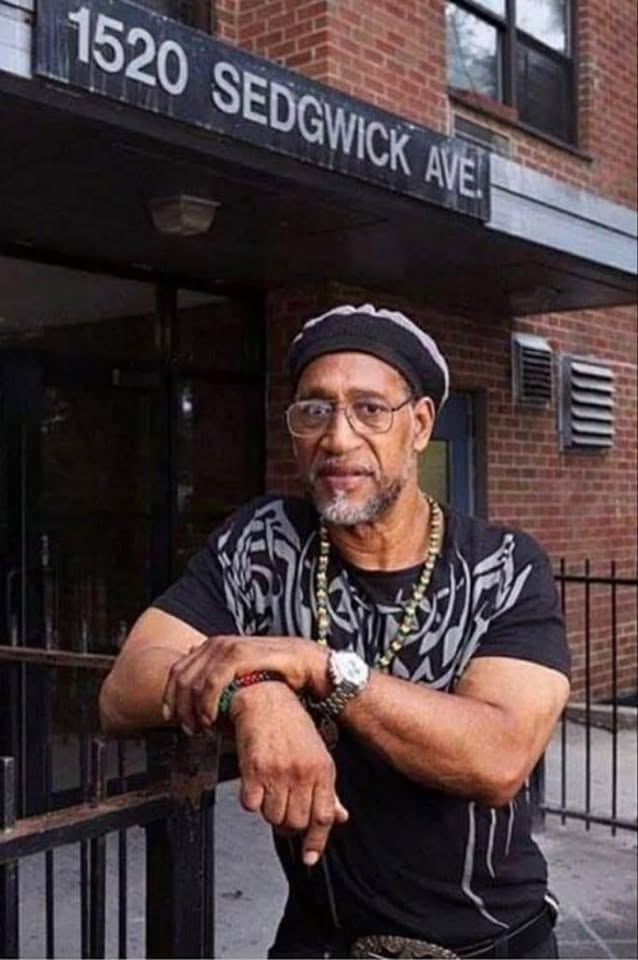
DJ Kool Herc is recognized as the founder and father of hip-hop. His story began in Kingston, Jamaica, where sound-system culture, Jamaican toasting, and the music of artists such as James Brown and Motown shaped his ear.
After moving to the Bronx, he brought those traditions into conversation with the funk and soul of Black America.
On August 11, 1973, Herc DJed a back-to-school party for his sister Cindy in the recreation room at 1520 Sedgwick Avenue. By extending the instrumental and percussion breaks across two turntables, he created more room for dancers to move.
The B-Boys and B-Girls found their space in those breaks, while his rhythmic callouts helped establish the foundation from which MC culture and rap would grow.
Being around Kool Herc made history feel human. The father of hip-hop was not a distant idea — he was a Bronx presence.
His example showed me that an idea does not need a corporate launch to change the world. It needs instinct, community, technical imagination, and the courage to create something people can belong to.
“The Bronx was not simply where hip-hop happened; it was a place where limited resources inspired an entirely new cultural language that traveled around the world.”
Being around Kool Herc and Mr. Moodie taught me that music is never only entertainment. It is community, identity, access, memory, and enterprise.
Those lessons continue to influence how I think about talent, marketing, promotion, business development, branding, and the responsibility that comes with helping culture move.
Chapter 07
Expanded perspective
Eventually New York became the foundation rather than the whole picture.
Miami widened the palette — color, environment, hospitality, and business conducted through relationships. Los Angeles gave the space to turn all of that observation into product and practice.
I did not understand any of these experiences as creative direction at the time. I was simply paying attention.
The city still exists. That era does not. Its influence remains.
Personal recollections. No ownership, management, or endorsement of any third-party business is implied.
Working together
Start with a conversation, not a questionnaire.
Tell Vern what you're building. If it's a fit, you'll know quickly.
You work with the principal, not through layers.